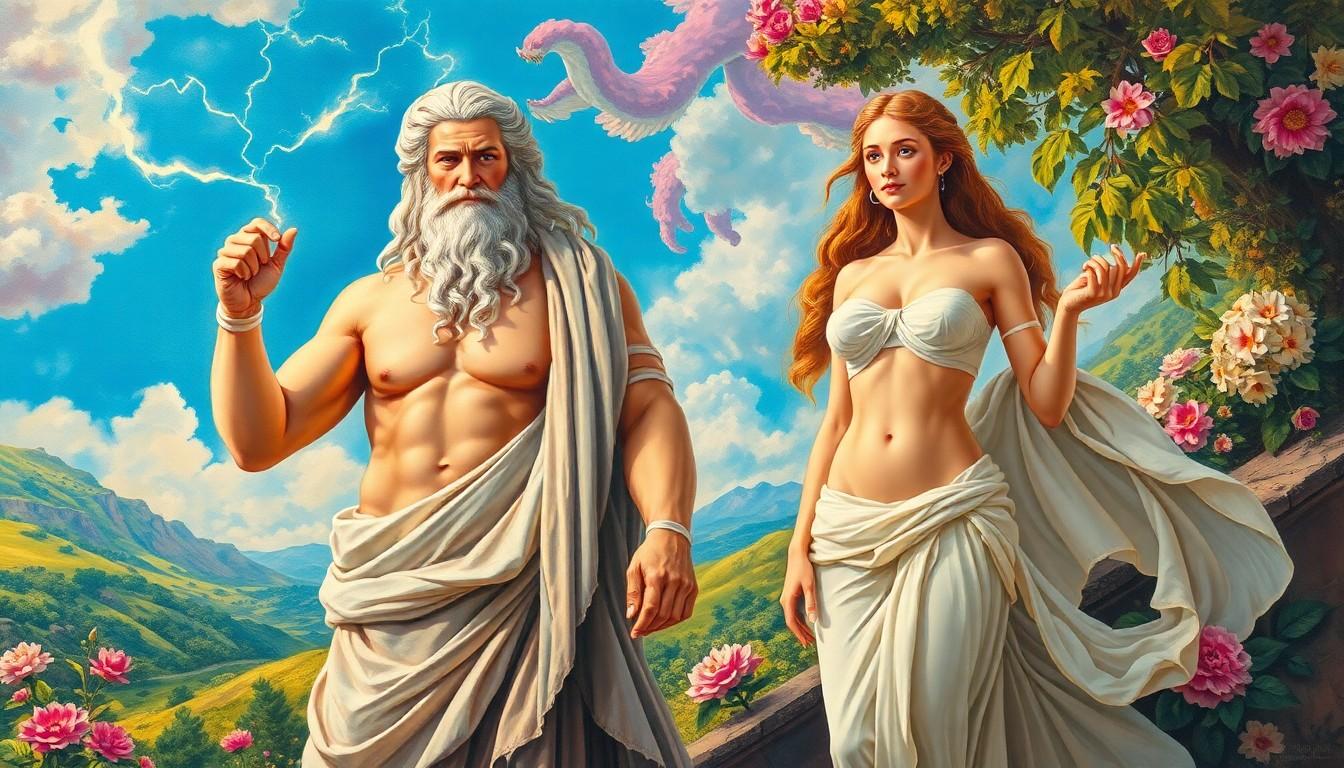
Greek mythology has long captivated the imagination, inspiring countless artists to bring its vibrant tales to life through painting. From the mighty Zeus hurling lightning bolts to the enchanting beauty of Aphrodite, these stories are not just ancient history; they’re a treasure trove of creativity. Imagine a canvas bursting with color, drama, and a dash of divine mischief.
Overview of Greek Mythology Painting
Greek mythology painting encompasses a range of artistic expressions inspired by ancient mythological themes. Artists often depict gods, goddesses, and legendary heroes, contributing to an understanding of cultural and religious narratives. These visual representations serve as a powerful medium to celebrate the rich stories of figures such as Hercules, Athena, and Poseidon.
Throughout history, several key periods in art reflect Greek mythology’s influence. The Classical period showcases intricate vase paintings featuring mythological scenes. Artists utilized black-figure and red-figure techniques, highlighting details and emotions in their compositions. The Renaissance period marked a revival of interest in classical themes, resulting in notable works by painters like Sandro Botticelli and Raphael, who illustrated mythological narratives in their masterpieces.
Notably, the content of these paintings often explores themes of heroism, love, and the human experience. Mythological subjects resonate with viewers, allowing them to connect with universal emotions and morals. This approach provides an opportunity for personal interpretation, enriching the viewer’s experience.
Various art forms, including murals, frescoes, and sculptures, further expand the impact of Greek mythology on visual culture. Artists from different backgrounds draw on this vast mythology, ensuring its relevance across diverse time periods and artistic movements. Whether in ancient antiquity or contemporary art, the legacy of Greek mythology continues to captivate and inspire painters.
By examining specific artworks, one can appreciate how various elements—colors, compositions, and techniques—enhance storytelling. Such studies reveal the depth and complexity of Greek mythology’s influence on artistic dialogue. Understanding this connection contributes to a broader appreciation of both art and mythology.
Historical Context

Greek mythology profoundly influenced painting throughout its history. Ancient Greece provided rich narratives that artists interpreted in various ways.
Origins in Ancient Greece
Mythological themes originated in Ancient Greece, where stories of gods and heroes embodied cultural values. Artists frequently depicted deities such as Zeus, Athena, and Poseidon in pottery and sculpture. Iconography played a vital role, with specific symbols representing different gods and myths. Vases served as canvases for these narratives, illustrating events like the Trojan War and the adventures of Hercules. These early artworks established a foundation for future mythological interpretation in visual art.
Influence of Classical Art
Classical art brought a renewed focus on Greek mythology during the Renaissance. Artists sought inspiration from ancient texts, leading to a revival of mythological subjects in painting. Sandro Botticelli’s “The Birth of Venus” exemplifies this connection, showcasing the beauty and grace attributed to deities. Renaissance painters blended realism with mythological themes, enhancing storytelling with perspective and emotion. Furthermore, Raphael often included mythological elements in his work, reinforcing connections between mythology and human experience. This influence shaped the artistic landscape, bridging ancient narratives with contemporary expressions.
Notable Artists and Their Works
Greek mythology continues to inspire artists across eras, with specific attention given to notable painters who breathe life into ancient tales.
Renaissance Painters
Renaissance painters embraced Greek mythology, blending classical themes with innovative techniques. Sandro Botticelli’s “The Birth of Venus” vividly portrays the goddess, capturing beauty and emotion through flowing lines and rich colors. Raphael’s “The School of Athens” merges mythological figures with renowned philosophers, emphasizing the importance of knowledge and enlightenment. Michelangelo’s “The Creation of Adam” depicts divine interaction, showcasing the artist’s mastery in human anatomy and expression. These works exemplify the Renaissance’s revival of classical ideals, solidifying mythological narratives in the cultural landscape.
Contemporary Artists
Contemporary artists reinterpret Greek mythology, reflecting modern themes and societal issues. Julie Mehretu incorporates mythological references in her abstract works, exploring themes of chaos and order. Similarly, Shirin Neshat engages with narratives involving gender and power, utilizing symbolism from mythology to address contemporary struggles. Kehinde Wiley’s “The Myth of Heroism” series reimagines traditional depictions of gods with modern figures, challenging societal norms. Each artist instills a fresh perspective, ensuring Greek mythology remains relevant today.
Themes and Symbolism in Greek Mythology Painting
Greek mythology painting embodies rich themes and symbols, reflecting the cultural values of ancient Greece through art.
Major Deities and Heroes
Major deities appear frequently in Greek paintings, with figures like Zeus representing power, authority, and justice. Aphrodite, known as the goddess of love, embodies beauty and desire. Heroes such as Heracles symbolize strength and bravery, often depicted in scenes of triumph over adversity. Artists use these characters to explore themes of human experience, revealing complex emotions like passion, jealousy, and valor. Iconography plays a crucial role, with distinctive attributes highlighting each deity’s personality. Visual storytelling enables viewers to grasp broader moral lessons rooted in mythology.
Mythological Scenes and Narratives
Mythological scenes showcase dramatic narratives, bringing ancient stories to life through compelling visuals. Painters often illustrate pivotal moments such as the Trojan War or Persephone’s abduction, capturing intense emotions and conflicts. Each artwork tells a story, reflecting the intricate relationships among gods, mortals, and nature. Vivid colors and dynamic compositions enhance the emotional impact, inviting viewers to connect with the characters’ struggles. Symbolic elements, like laurel wreaths signifying victory, further deepen the narratives. Artists emphasize moral dilemmas and the consequences of choices, making these tales relevant across centuries.
Techniques and Styles
Exploration of techniques and styles in Greek mythology painting reveals both traditional methods and modern interpretations.
Traditional Methods
Ancient artists employed techniques like fresco and tempera to depict mythological narratives. They used natural pigments to create vibrant colors, enhancing the visual appeal of stories about gods and heroes. Clay pots often featured intricate paintings, highlighting the significance of mythology in everyday life. Iconography played a crucial role, as symbols represented specific deities and motifs. Attention to detail characterized these early works, making them timeless representations of cultural values. Frescoes in temples brought mythological scenes to larger audiences, merging architecture with artistry. Techniques showcased a deep understanding of human anatomy and proportion, vital for conveying emotion and movement.
Modern Interpretations
Contemporary artists utilize diverse mediums, transforming Greek mythology for today’s viewers. They often blend digital techniques with classic methods, creating fresh perspectives on ancient tales. Mixed media pieces incorporate photography and installation art, allowing for innovative storytelling. Many modern interpretations focus on themes relevant to current societal issues, reshaping traditional narratives. Artists like Kehinde Wiley infuse mythological figures into contemporary settings, challenging perceptions of race and identity. Digital art enables dynamic representations, captivating audiences with animated depictions of mythological events. Overall, these modern styles maintain the essence of Greek mythology while resonating with contemporary audiences.
Greek mythology painting remains a powerful medium that bridges ancient narratives with modern sensibilities. Through various artistic expressions, it continues to inspire and provoke thought about timeless themes of heroism, love, and the human experience. As contemporary artists reinterpret these mythological tales, they invite audiences to engage with the stories in new and relevant ways. The rich symbolism and emotional depth found in these works ensure that Greek mythology will always hold a significant place in the world of art. By merging tradition with innovation, artists keep these ancient legends alive, fostering a deeper appreciation for both the art form and the enduring power of myth.