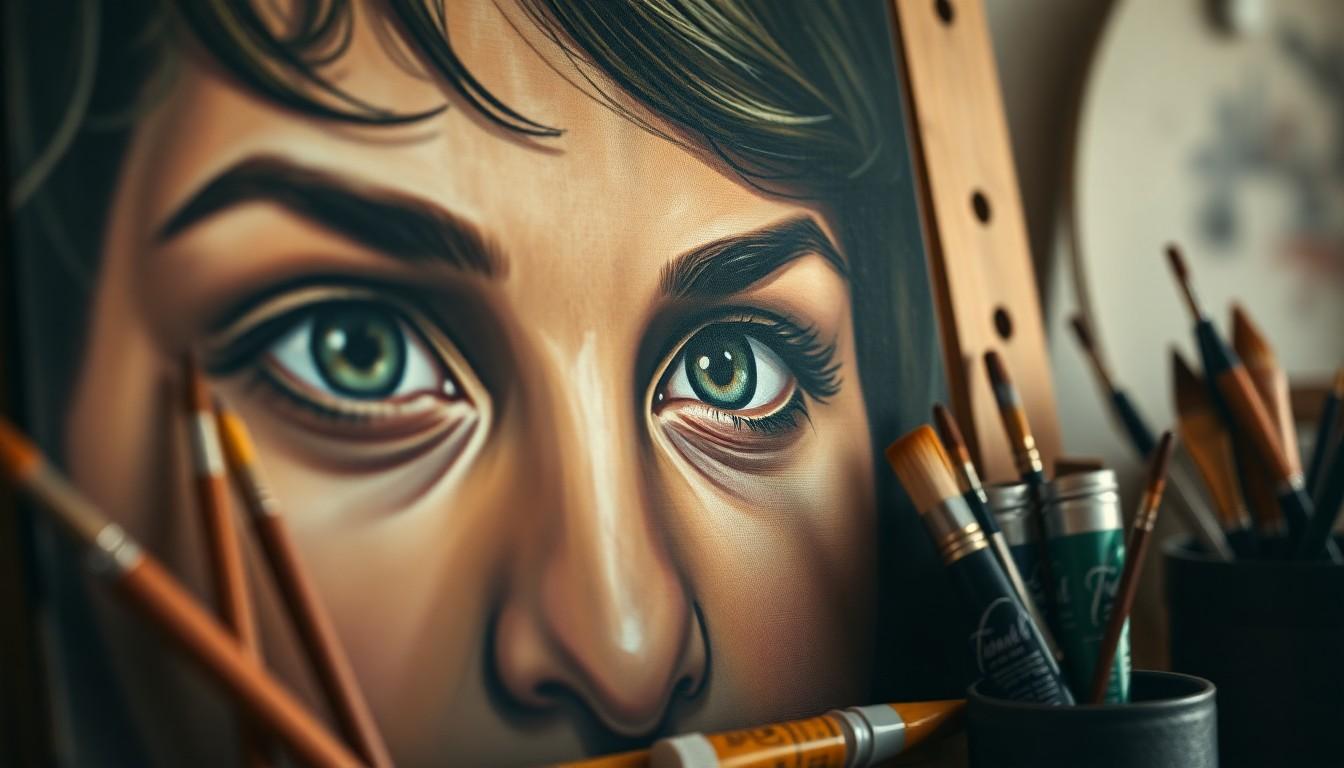
Eyes are often called the windows to the soul, but let’s be real—they’re also the ultimate canvas for artistic expression. Whether you’re a seasoned artist or just someone who thinks they can paint a masterpiece with a few brushstrokes, painting eyes can be a game-changer. It’s where realism meets creativity, and trust me, nothing grabs attention quite like a pair of beautifully painted peepers.
Understanding The Importance Of Painting Eyes
Eyes play a crucial role in visual art, acting as both an expressive element and a focal point. Their depiction can significantly impact how viewers interact with the artwork.
The Role Of Eyes In Art
Eyes serve as a central theme in various artistic styles. Artists often use them to convey narratives or emotions, making the piece relatable. They can draw attention effortlessly, creating a connection between the subject and the viewer. For example, in portrait painting, the character and depth of the eyes enhance the lifelike quality of the subject. Artists can emphasize features or create moods through techniques such as color selection and shading.
Emotional Impact Of Capturing Eyes
Capturing eyes evokes a wide range of emotions. Viewers often connect more deeply with artwork featuring expressive eyes. The subtle nuances of a glance can communicate joy, sorrow, or contemplation. They also help portray the subject’s personality, adding depth to the overall composition. Artistic techniques such as highlights and shadows play a pivotal role in achieving this emotional resonance. Ultimately, well-painted eyes can leave a lasting impression on the audience.
Techniques For Painting Eyes

Achieving captivating eyes in art requires various techniques tailored to specific styles and effects. Both realistic and abstract approaches can enhance the visual impact of the artwork.
Realistic Eye Techniques
Realistic paintings benefit from careful color blending, using multiple shades to achieve depth. Start with a base color that matches the iris, then layer darker and lighter tones for dimension. Incorporate tiny specks to mimic imperfections, adding authenticity. Utilize highlights to represent light reflection on the pupil and cornea, enhancing realism. Focus on shadows where the upper eyelid occludes light, creating a three-dimensional effect. Capture details in eyelashes and eyebrows, ensuring they blend seamlessly with eye contours. Use reference images to understand anatomy and light behavior, guiding the painting process.
Abstract Eye Techniques
Abstract techniques emphasize color and shape over realism, allowing for greater creativity. Consider vibrant colors and unconventional patterns that express emotion rather than mimic reality. Mix materials like acrylics or watercolors for enhanced texture and visual interest. Employ bold brush strokes to convey movement and energy in the eye structure. Incorporate non-traditional elements like geometric shapes to challenge viewers’ perceptions. Focus on compositions that evoke emotional responses rather than representational accuracy. Prioritize unique perspectives to create innovative interpretations of the eye concept.
Tools And Materials For Painting Eyes
A well-equipped artist can enhance their eye painting skills with the right tools and materials. Specific selections make a significant difference in achieving impressive results.
Brushes And Canvas Selection
Choosing the right brushes is crucial for detailing eyes. Round brushes excel in fine lines and intricate details, while flat brushes assist in broad strokes. Canvas selection impacts the overall look too; primed canvas works well for oil paints, whereas watercolor paper suits water-based mediums. Additionally, varying brush sizes offers versatility, allowing for the exploration of different styles and techniques. Investing in quality brushes ensures better control, precision, and a more polished appearance, leading to captivating eye portrayals.
Color Theory For Eye Painting
Understanding color theory enriches eye painting endeavors. Artists should consider the color wheel, which highlights complementary colors that enhance visual depth. Skin tones often dictate suitable eye colors; for instance, blue eyes can pop against warm skin tones. Blending shades presents more options, allowing for realistic variations in iris tones. Adding highlights with lighter hues gives eyes a vibrant, lively feel. Experimenting with color combinations fosters creativity, leading to unique interpretations while maintaining emotional impact in paintings.
Common Mistakes To Avoid
Avoiding common mistakes enhances the quality of eye painting. Paying attention to techniques can elevate the artwork significantly.
Over-Detailing Vs. Simplification
Over-detailing often detracts from the overall harmony in art. Too many intricate features can overwhelm viewers and detract from the focal points. Simplification creates a more impactful representation, emphasizing key traits without losing essence. Striving for a balance between detail and simplicity ensures that the eyes convey emotions effectively. A minimalistic approach allows the viewer to focus on the expressive quality rather than being distracted by excessive intricacies.
Misinterpreting Eye Anatomy
Misunderstanding eye anatomy leads to unrealistic portrayals. Artists sometimes exaggerate or misplace anatomical features, resulting in distorted representations. Familiarity with the structure of the eye, including the iris, pupil, and eyelids, builds a foundation for accurate depiction. Referencing anatomical diagrams or photographs aids in capturing the authentic form. Awareness of variations among different eye shapes and sizes fosters greater realism in paintings. Correctly interpreting these elements strengthens the emotional connection between the artwork and the audience.
Painting eyes is a powerful way to elevate artistic expression. The techniques and tools discussed provide artists with the means to create striking and emotive representations. By mastering color selection, shading, and understanding anatomy, artists can enhance the realism and emotional depth of their work.
Whether opting for a realistic portrayal or an abstract interpretation, the eyes remain a compelling focal point that invites viewer engagement. Emphasizing balance between detail and simplification can lead to more impactful compositions. Ultimately, honing the skill of painting eyes not only enriches the artwork but also deepens the connection between the artist and the audience.